Manual therapy
Targeted hands-on work on deep muscle and fascia to release restrictions and restore glide.
Hands-on manual therapy and fascia-focused acupuncture for back, neck, shoulder and hip pain. Japanese-licensed, with more than 20 years of clinical experience.

Tap everything that applies to you. It takes about 20 seconds.
Your result appears here as you go.
Every session follows the same three steps, in the same order. The first visit takes an hour, so there is time for all of them.

Acupuncture is not used in every session. It is chosen when it is the most direct way to reach the tissue that needs work.
Targeted hands-on work on deep muscle and fascia to release restrictions and restore glide.
Fine needles placed at the exact layer of fascia involved, combined with manual therapy in the same session.
How you bend, reach and load shows where the body compensates. This guides treatment and what you do at home.
For deep or complex problems: ultrasound imaging shows nerves and vessels so needles can be placed safely, to the millimetre.
After the assessment you agree on the treatment and its price before it starts.
| Treatment | First visitincl. €20 assessment | Follow-up |
|---|---|---|
| Local treatmentOne small area | €85 | €65 |
| Manual therapy | €105 | €85 |
| Manual therapy + acupuncture | €125 | €105 |
| Precision sessionUltrasound-guided acupuncture and manual therapy for deep, complex or multi-area pain | €145 per session | |
See Shingo's open times and book directly. New patients are confirmed personally, usually the same day.
The needles are very fine. Most people feel a dull pressure or a brief ache when the needle reaches the tight tissue. You can always choose manual therapy only.
No. This is complementary care and does not replace your GP or a medical diagnosis. If something needs medical attention, Shingo will tell you.
Comfortable clothes you can move in. Shorts or loose trousers make the movement assessment easier.
No. Treatments are not covered by health insurance.
English and Japanese. Shingo does not speak Dutch, so sessions are in English or Japanese.

I work alone, in a small room, with a limited number of patients. That is how I can give each person my full attention.
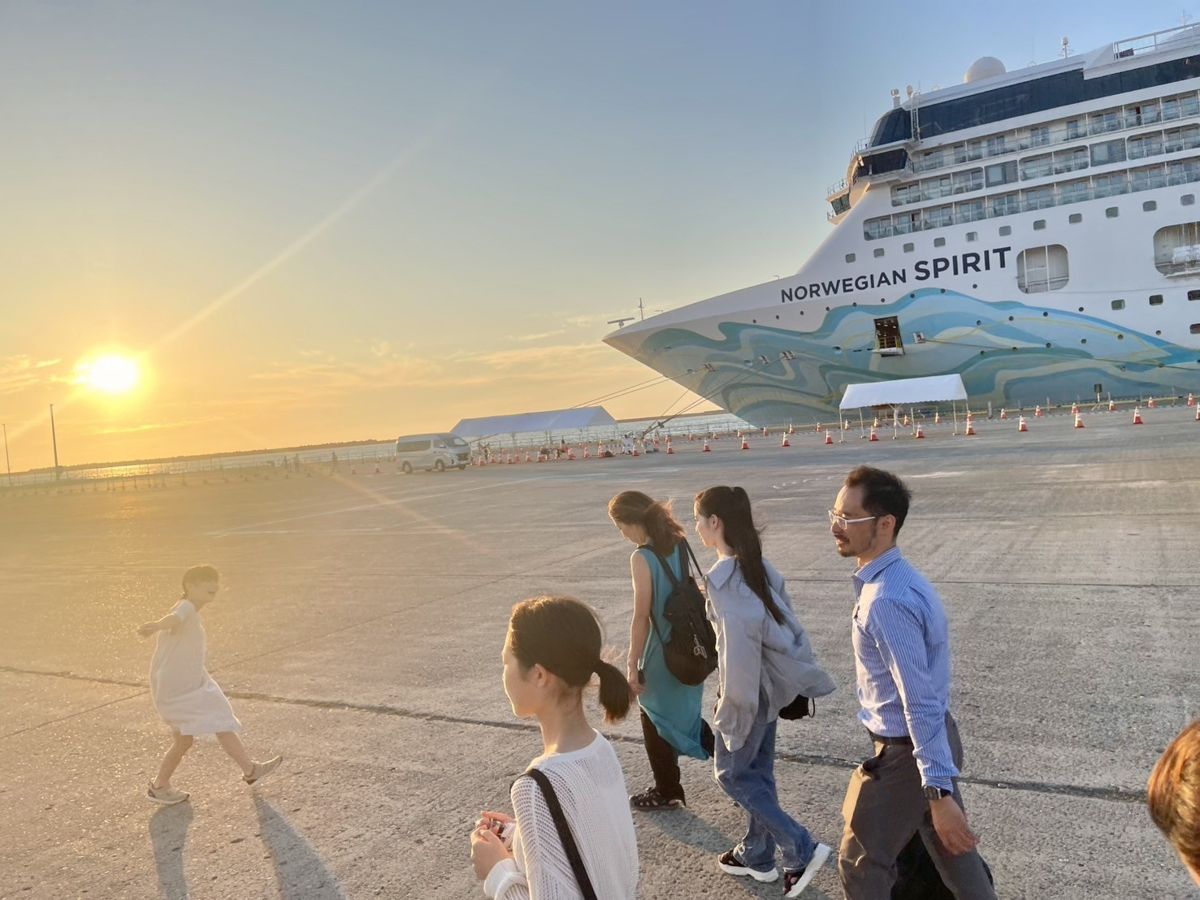
Shingo spent more than 20 years treating chronic pain and sports injuries in Japan. He has worked as a medical volunteer after the Great East Japan Earthquake, as an acupuncturist on cruise ships, and on the medical team at karate tournaments.
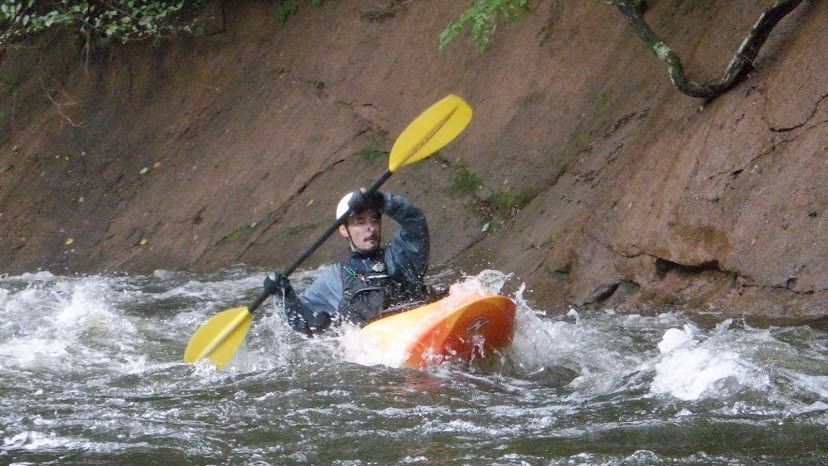
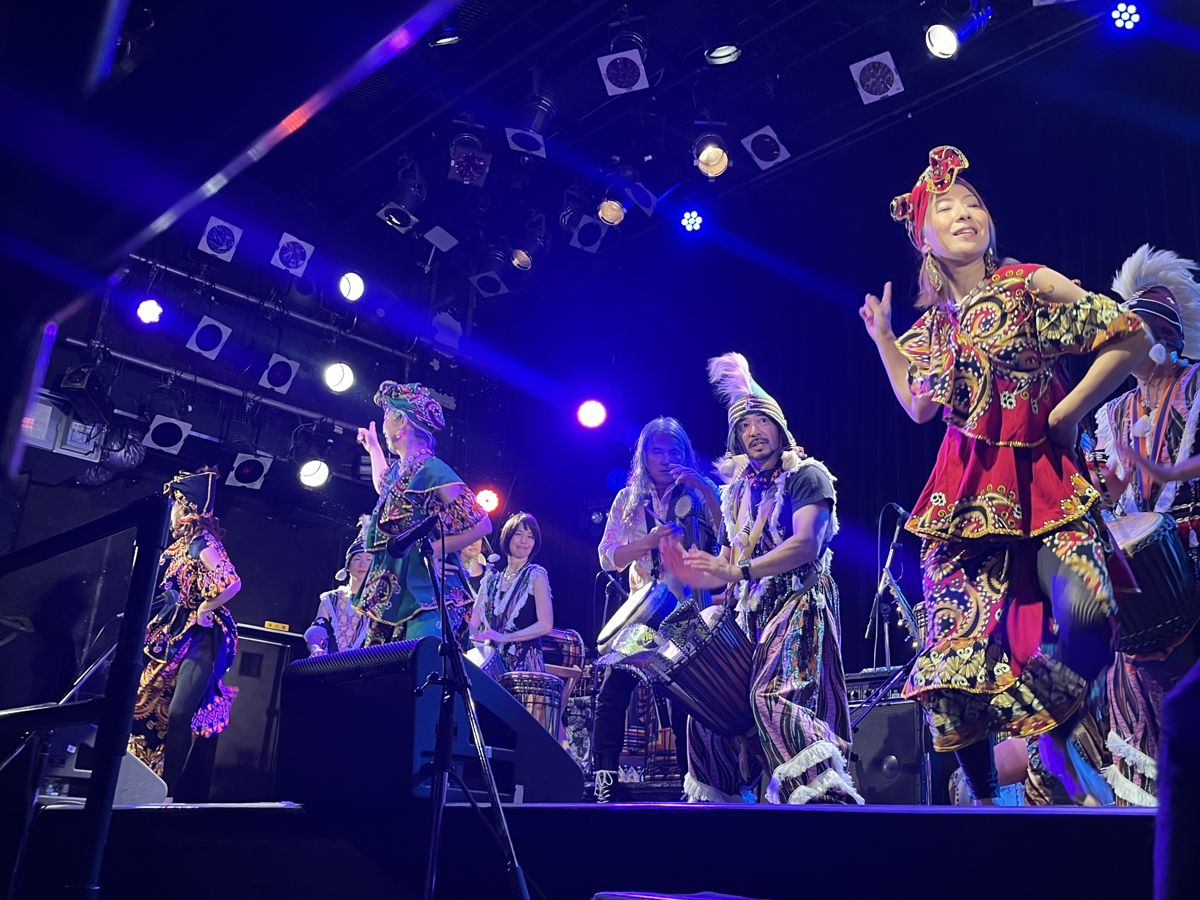
As an outdoor guide, athlete and percussionist, he learned what a body under load needs. He compares his work to tuning an instrument or oiling a bicycle chain: small, careful adjustments that let things move freely again.


